Physical Address
304 North Cardinal St.
Dorchester Center, MA 02124
Physical Address
304 North Cardinal St.
Dorchester Center, MA 02124

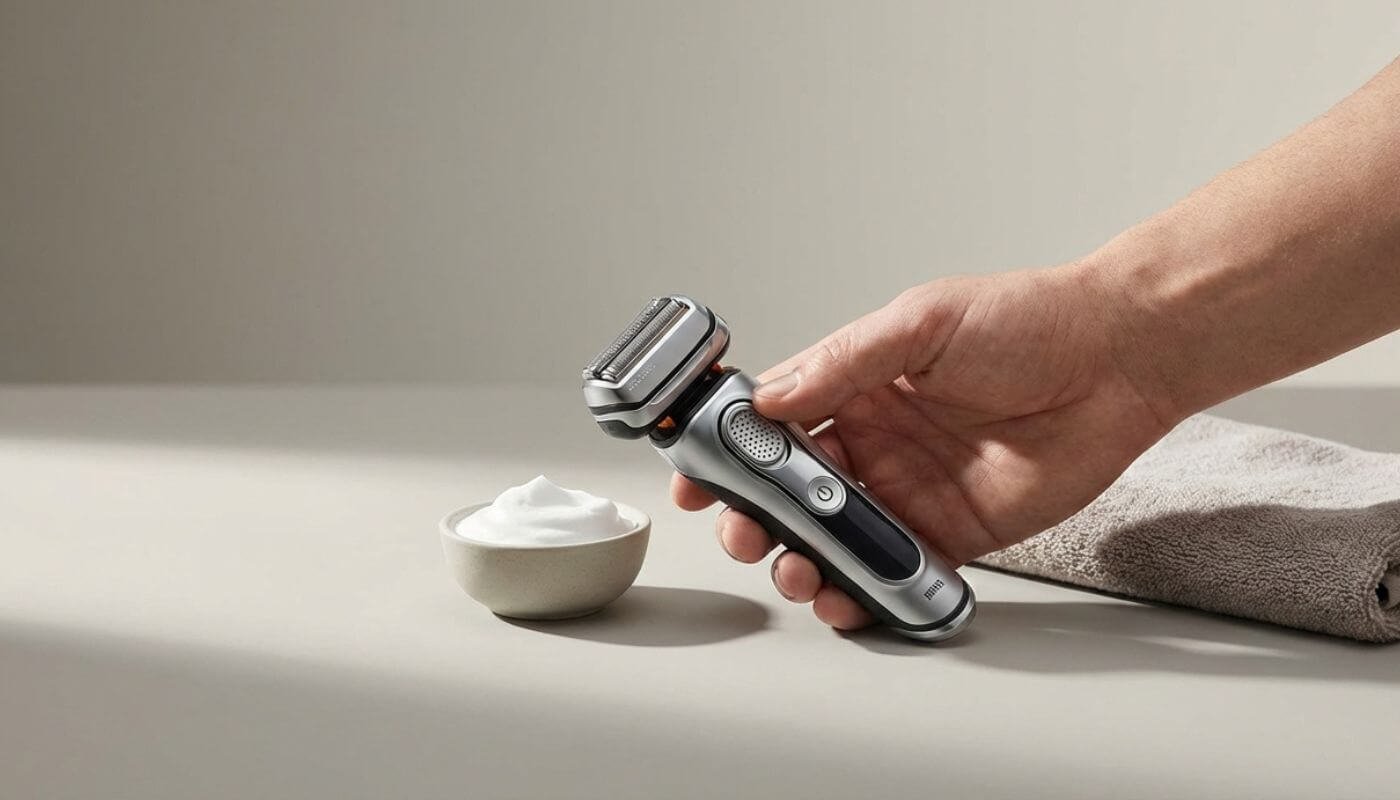
Learning how to shave with an electric razor properly can completely change your results. Many men switch from manual razors expecting less irritation and more convenience, but still deal with missed hairs, razor burn, or uneven patches. The difference usually comes down to technique.
Electric shaving is not the same as blade shaving. The pressure, motion, preparation, and even timing matter. Once you understand how to use an electric shaver correctly, you’ll get a smoother shave with far less irritation.
If you’re still deciding which razor fits your beard type and skin sensitivity, start with our Best Electric Razors for Men Guide to compare top-performing models. And if you’re dealing with redness or bumps, you may also want to read our guide on how to prevent razor burn with an electric shaver.
Preparation is simple but important.
If you’re dry shaving, make sure your skin is completely dry. Electric razors cut more efficiently on dry hair because moisture can cause hair to lay flat against the skin.
If your razor supports wet shaving, you can shave after a warm shower. Warm water softens facial hair and opens pores, making it easier to cut through thicker growth.
For sensitive skin, consider using a pre-shave lotion designed for electric razors. These help lift hairs and reduce friction.
Avoid heavy creams unless your razor is specifically built for wet shaving.
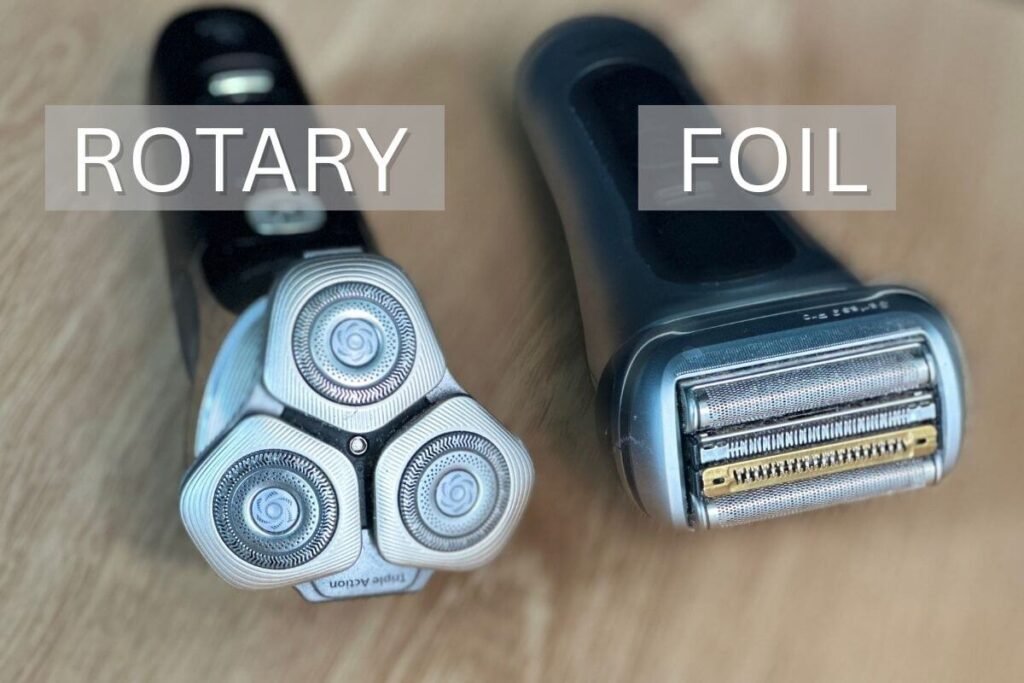
Before you start, know what type of electric razor you’re using.
Foil shavers work best with straight, back-and-forth strokes. They are ideal for daily shaving and are often better for sensitive skin.
Rotary shavers are designed for circular motions. They handle uneven growth and thicker beards well, especially around the jaw and neck.
Using the wrong motion for your razor type increases irritation and forces you to go over the same area repeatedly.
If you’re unsure which system fits your beard and skin type, our foil vs rotary electric shaver guide breaks it down in detail.
Follow this method for a cleaner, more comfortable shave.
Step 1: Trim Long Hair First
If you haven’t shaved in several days, use a trimmer attachment to reduce longer hair before using the main shaving head. Electric shavers perform best on shorter stubble.
Step 2: Hold the Razor at the Correct Angle
A 90-degree angle typically will be the sweet spot when shaving, but it can differ due to razor head setups. The goal is to keep the shaving head flat against your skin. Tilting it too much reduces cutting efficiency and increases friction.
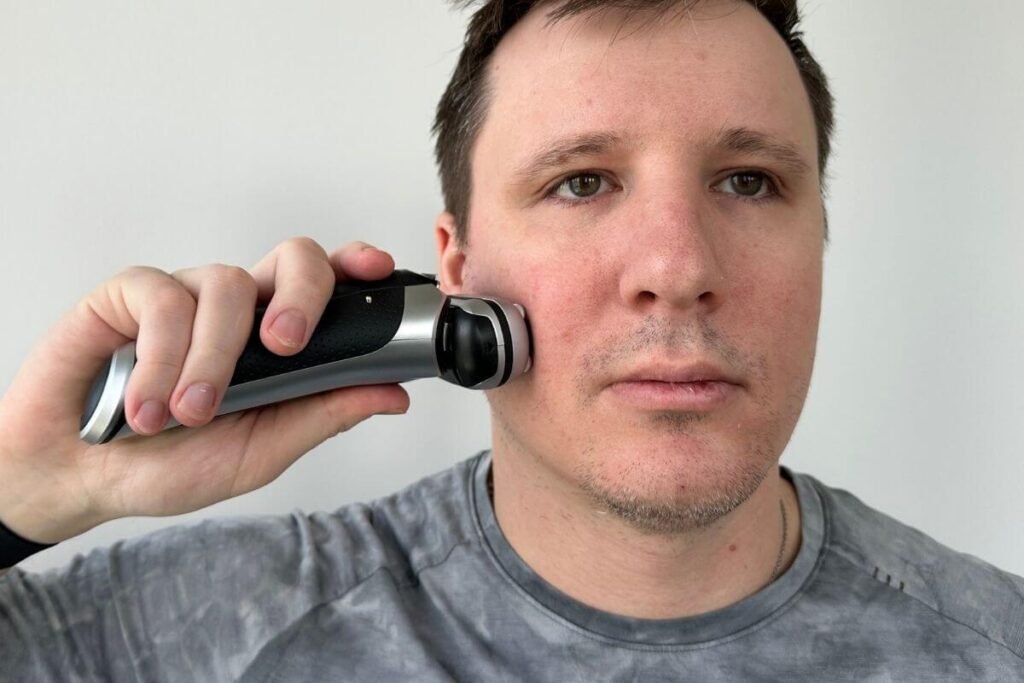
Step 3: Use Light Pressure
Let the motor do the work. Pressing hard does not create a closer shave. It creates irritation.
Step 4: Stretch the Skin Gently
Use your free hand to lightly stretch the skin in areas like the neck and jawline. This helps lift flat hairs and reduces missed spots.
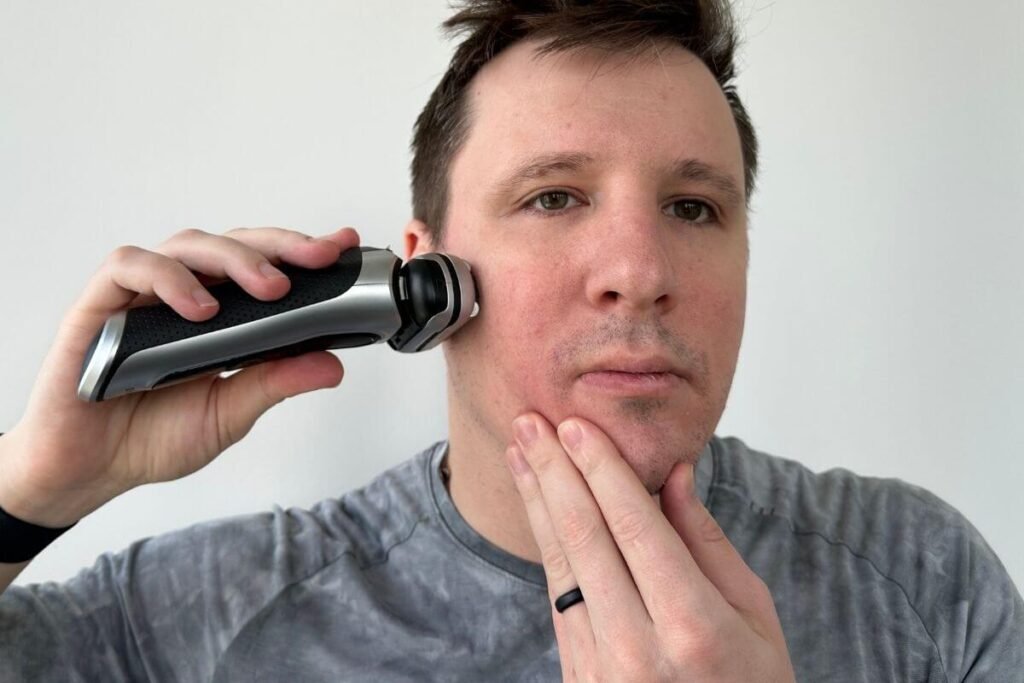
Step 5: Move Slowly and Deliberately
Avoid rushing. Slow, controlled passes allow the blades to cut efficiently without multiple repeat strokes.
Step 6: Shave Against the Grain Carefully
Once you’ve reduced the bulk of the hair, you can gently shave against the direction of growth for a closer finish. If you have sensitive skin, limit how many times you go over the same area.
If irritation is common for you, see our guide on the best electric shaver for sensitive skin for equipment recommendations that minimize friction.
Even good razors cause problems when used incorrectly. Here are a few of the most common mistakes while using electric shavers.
Should you shave wet or dry with an electric razor? Both methods work, but the best option depends on your skin type and razor model.
Dry shaving is typically faster and works well if you shave daily and have relatively normal skin. Wet shaving, on the other hand, can feel smoother for men with sensitive skin, especially when using shaving gel or foam designed for electric razors.
If you’re unsure which approach fits your routine best, read our detailed breakdown on whether you should shave wet or dry with an electric razor to compare the pros and cons of each method.
Always confirm your razor is waterproof before shaving in the shower or with cream.
Proper aftercare is one of the simplest ways to prevent razor burn and extend the life of your electric shaver.
Daily shaving can actually reduce irritation because the razor cuts shorter stubble more efficiently. Longer growth often requires more passes, which increases friction.
High-quality electric razors can provide a very close shave, though typically not quite as close as a blade. However, they often cause significantly less irritation.
Neck hair grows in multiple directions. Shaving without mapping the growth pattern often causes repeated passes and friction. Stretching the skin and adjusting your angle helps significantly.
Most men need about two to three weeks for their skin to adapt when switching from manual shaving.
Learning how to shave with an electric razor properly is about control and patience. Use light pressure, move slowly, match your motion to your razor type, and maintain your equipment.
Once you dial in the technique, electric shaving becomes faster, cleaner, and far more comfortable than many expect.
If you’re still deciding which razor type fits your needs, start with our Best Electric Razors for Men guide to compare top-performing models across different skin types and beard textures.